Cloud Cost Optimization Audit: What to Check Before Your Bill Doubles
Cloud spend usually grows quietly: idle resources, oversized databases, unnecessary egress, and workloads nobody has revisited in months. A cost audit turns vague concern into an action list.
Jason Overmier
Innovative Prospects Team
Cloud bills rarely double because of one dramatic mistake. They usually grow through neglect: resources left running, workloads sized for a launch that happened a year ago, and services nobody owns closely enough to optimize.
That is good news, because it means many cloud cost problems are fixable without a rewrite.
Where to Look First
| Area | Common waste pattern |
|---|---|
| Compute | Instances sized for peak and never revisited |
| Databases | Overprovisioned tiers, long retention, unused replicas |
| Storage | Old snapshots, logs, and object storage never lifecycle-managed |
| Networking | Egress and cross-zone traffic growing invisibly |
| Managed services | Teams adopt them fast and review them slowly |
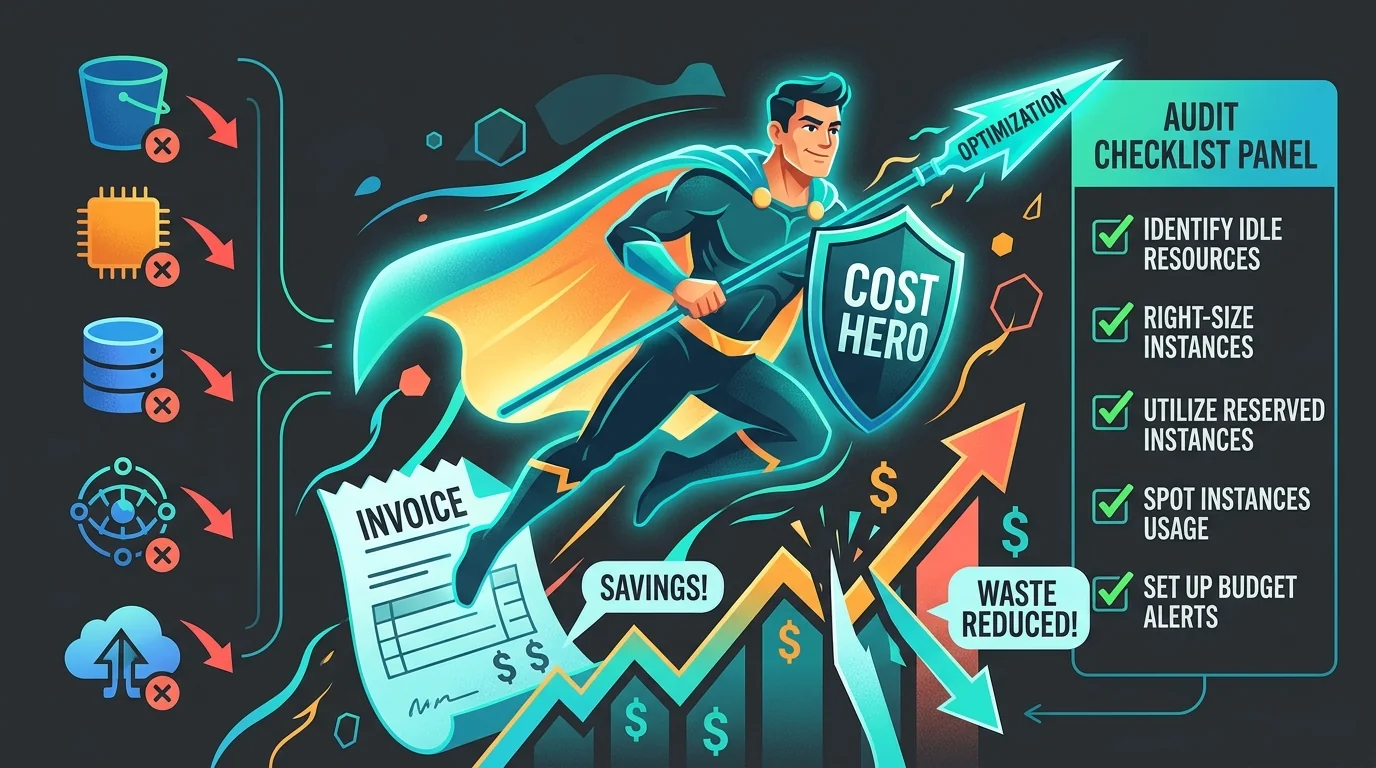
Audit Checklist
Start with these questions:
- Which services are driving the top 80% of spend?
- Which environments are idle outside business hours?
- Which resources are oversized relative to actual load?
- Which storage classes or retention rules have not been reviewed recently?
- Which spend lines no one can confidently explain?
If no one owns those answers, that is the first optimization problem.
High-Leverage Fixes
| Fix | Why it works |
|---|---|
| Right-size compute | Many workloads are provisioned for old assumptions |
| Schedule non-prod shutdowns | Dev and staging often burn money overnight and on weekends |
| Tune storage lifecycle rules | Snapshots and object storage accumulate quietly |
| Review database tiers | Managed databases are frequent cost multipliers |
| Reduce unnecessary egress | Cross-region and CDN misconfigurations add up fast |
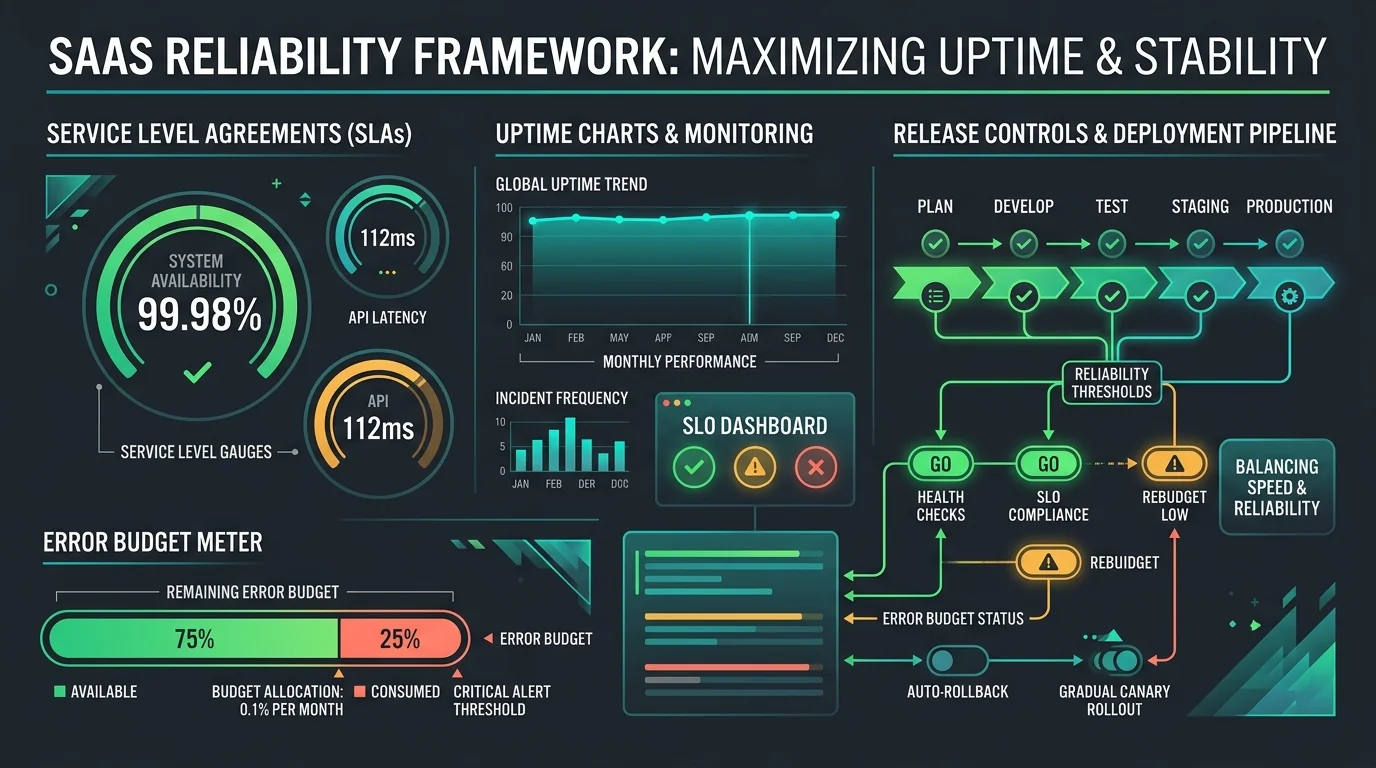
Cost Optimization Should Not Break Reliability
Bad optimization tries to cut spend in isolation. Good optimization protects service levels.
That means checking:
- actual utilization before downsizing
- backup and recovery expectations before reducing storage
- latency before moving regions or services
- incident history before removing redundancy
Common Pitfalls
| Pitfall | Why It Happens | Fix |
|---|---|---|
| Teams optimize by gut feel | Cost data is too coarse | Break spend down by service and environment |
| Finance leads without engineering context | Spend is visible, system behavior is not | Pair finance review with technical ownership |
| One-time savings vanish | No follow-up process | Review monthly after changes land |
| Cost cuts create new outages | Reliability tradeoffs were ignored | Make optimization a joint ops and engineering review |
The Better Goal
The goal is not “spend less at any cost.” The goal is to stop paying for waste while keeping the system healthy.
That is why good cloud cost work looks like an audit, not a panic reaction.
If your cloud bill is rising faster than your customer value, get in touch. We help teams audit spend, right-size infrastructure, and cut waste without creating new operational risk.