Equity-for-Syartervices Partnerships: Is It Right for Your startup?
Cash-strapped startups often ask if we'll work for equity. The question makes sense: you have a compelling vision but limited runway. Trading ownership for development seems like a smart way to extend your resources.
Jason Overmier
Innovative Prospects Team
Cash-strapped startups often ask if we’ll work for equity. The question makes sense: you have a compelling vision but limited runway. Trading ownership for development seems like a smart way to extend your resources.
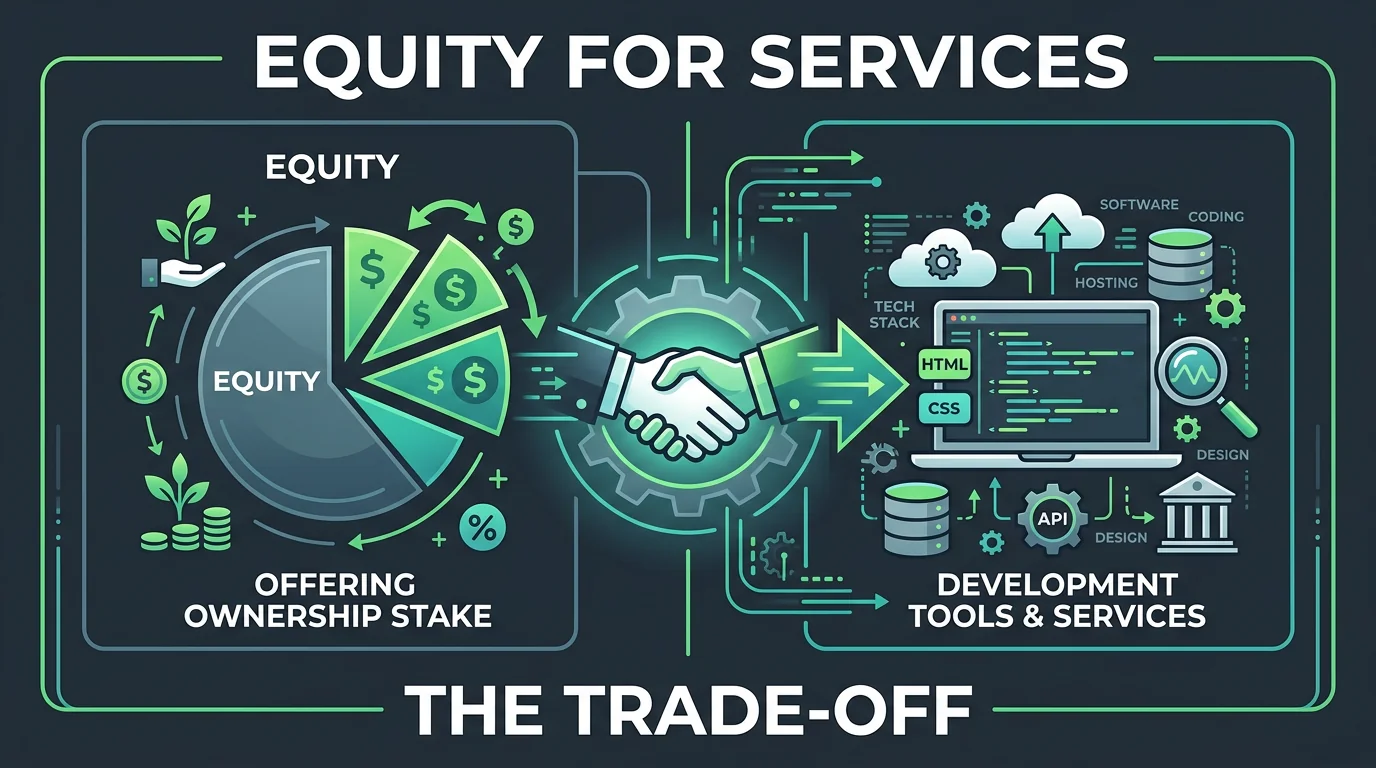
These partnerships can work. but they model is like equity-for-services and where an studio takes an equity stake and intellectual property stake ( and the vesting schedule based on the startup’s actual value. This can reduce friction between founder and investors, and while protecting against downside risk.
| The trade-off is Equity upside (giving up some of the upside) | The Founder | Investor |
|---|---|---|
| Skin in the game | Your stake is small (1-5%) vs. large | Higher risk of misalignment |
| Speed to ship | Each milestone accelerates learning | Milestones create timeline pressure |
        | Dilutes technical anxiety |
        | Creates accountability |
This is a works well for founders who want a build fast but keep equity, but for investors who want to see that the product has traction, not just a shiny demo for but investors often have more questions about rebuilding costs than a whether it need to invest in your code or hire better talent. You the metrics
Who benefits from this model:
| Who Benefits | Why It Works |
|---|---|
| Resources | Startups get development help they couldn’t afford to hire |
| Validation | Working with someone invested in your success can be validating the product direction before others have tried it and failed |
When It Does NOT work
| Situation | Recommendation |
|---|---|
| Strong team, validated market, pre-seed | Maybe (depends on partner’s criteria) |
| Idea stage, no validation | No (too much risk for both sides) |
| Post-seed, growing revenue | No (cash is more efficient) |
| Technical founder needs help | Maybe (augmenting existing capacity) |
| Non-technical solo founder | Rarely (too dependent on one relationship) |
The model works best for exceptional pre-seed teams with clear paths to funding.