Healthcare Software Development: HIPAA, Integration, and Reliability
Healthcare software has unique challenges: EHR integrations, HIPAA compliance, and reliability requirements that make it different. Here's what it takes.
Jason Overmier
Innovative Prospects Team
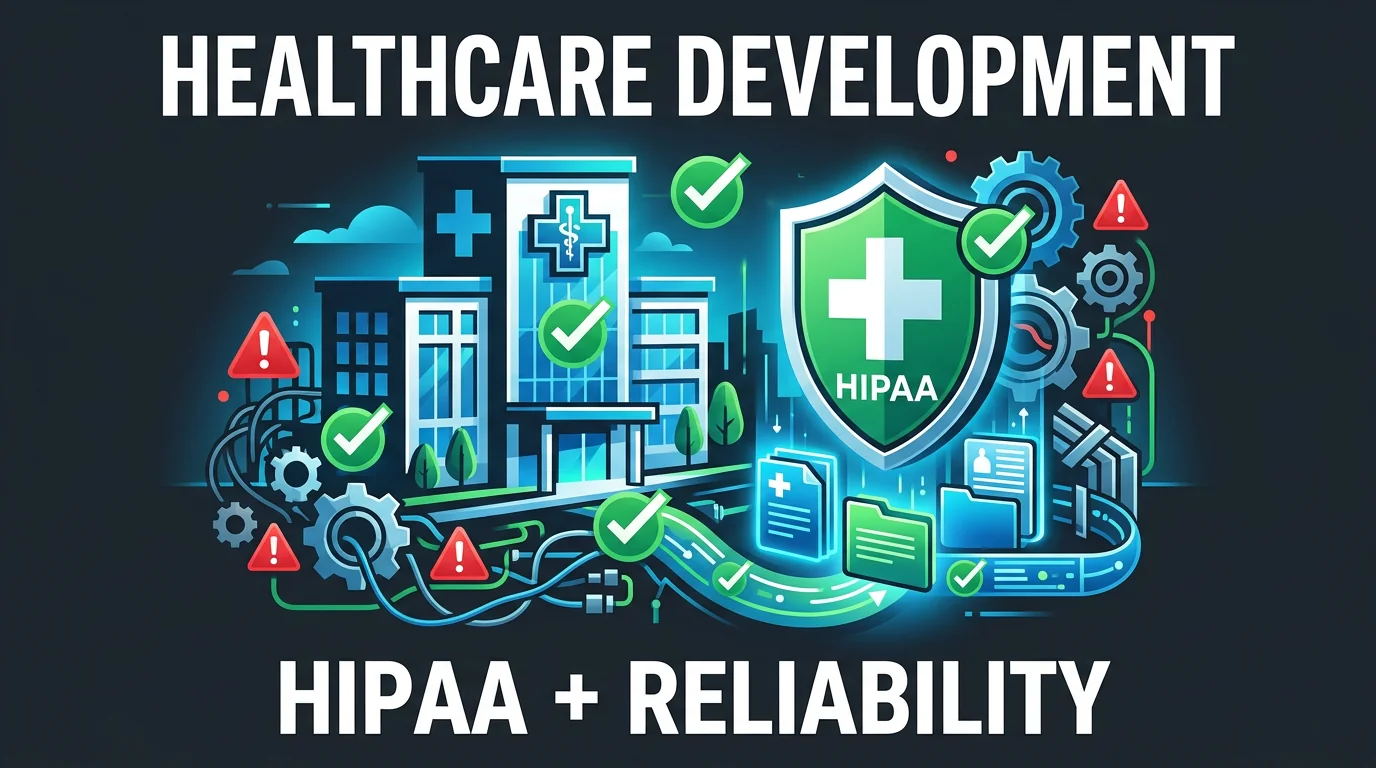
Healthcare software operates at the intersection of strict regulation, complex integrations, and life-critical reliability. HIPAA compliance isn’t optional. it’s required. And understanding these constraints shapes every development decision.
This is what makes healthcare software different from other verticals.
What Makes healthcare different
1. HIPAA Compliance
Healthcare software handling patient data must comply with HIPAA. This affects architecture, hosting, data handling, and development process.
| Aspect | Healthcare Requirements |
|---|---|
| Data encryption | Required at rest and in transit |
| Access logging | Must track who accessed what data and when |
| Minimum necessary use | Collect only data needed for treatment, payment |
| BAA agreements | Required for any third-party data access |
2. EHR Integration
Electronic Health Records integration is often the biggest technical challenge. Systems need to exchange data with Epic, Cerner, Allscripts, and other EHR platforms.
| EHR Platform | Integration Approach | Key Challenge |
|---|---|---|
| Epic (Verona) | HL7/FHIR APIs | Most common, relatively straightforward |
| Cerner | proprietary APIs, complex but powerful | |
| Allscripts | REST APIs | Older, SOAP-based, complex integration |
| NextGen | FHIR APIs | Modern, REST-based, gaining adoption |
| Athenahealth | FHIR APIs | Cloud-based, modern architecture |
Integration complexity: Each EHR requires understanding its data model, authentication flow, and API limitations. Failures in EHR integration can cascade to patient care.
3. Reliability Requirements
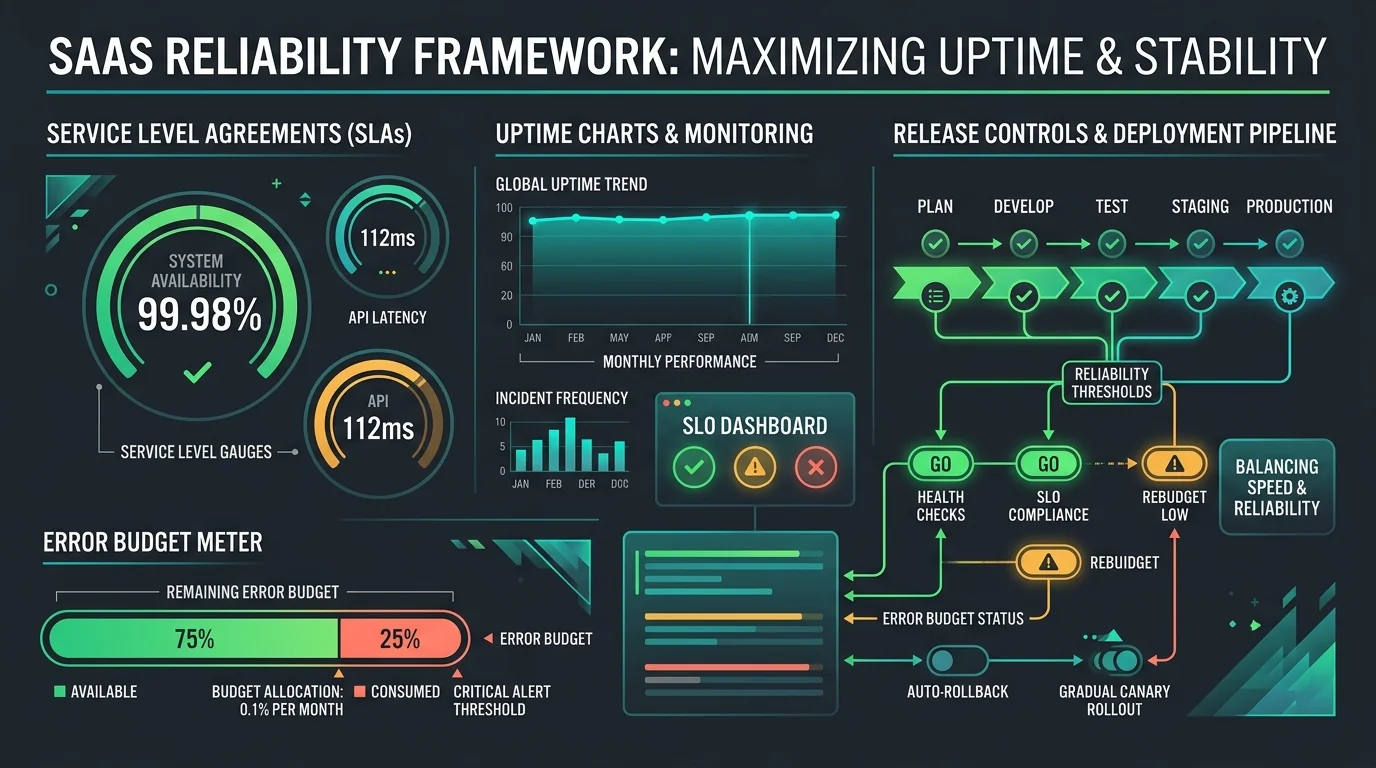
Healthcare systems cannot afford downtime.
| Metric | Typical Requirement |
|---|---|
| Uptime | 99.9% for critical systems |
| Recovery time | RTO (recovery time objective) often <1 hour |
| Data durability | No data loss acceptable |
| Disaster recovery | Multi-region failover, geographic redundancy |
Approaches:
- Redundant infrastructure across multiple availability zones
- Automated failover for critical components
- Comprehensive monitoring and alerting
- Regular disaster recovery testing
4. Audit Trails
Healthcare software must maintain detailed audit trails for compliance and security.
| What to Log | Retention Period |
|---|---|
| User authentication | 7 years |
| Data access | 6 years |
| Data modifications | 6 years |
| Security events | 7 years |
| System access | 7 years |
| Administrative actions | 6 years |
Development Process Adjustments
Healthcare projects require additional process steps:
| Phase | Additional Healthcare Steps |
|---|---|
| Requirements | Regulatory mapping, compliance review |
| Design | Security threat modeling, privacy impact assessment |
| Development | Secure coding practices, code review for security |
| Testing | Penetration testing, compliance testing |
| Deployment | Security audit, compliance verification |
| Maintenance | Regular security assessments, compliance audits |
Common Mistakes
| Mistake | Consequence | Prevention |
|---|---|---|
| Underestimating HIPAA scope | Costly rework, delayed launch | Early compliance consultation |
| Treating HIPAA as afterthought | Security vulnerabilities, compliance failures | Build compliance into architecture from day one |
| Ignoring audit requirements | Failed audits, remediation costs | Design for audit from the start |
| Choosing wrong EHR integration | Integration failures, data inconsistency | Thorough EHR evaluation and testing |
| Insufficient reliability planning | Downtime affecting patient care | Plan for redundancy from the beginning |
Building healthcare software requires understanding the regulatory landscape from the start. If you’re developing a healthcare application and need guidance on HIPAA compliance, book a consultation. We’ll help you navigate the requirements while building a secure, reliable product.